
Ant Control
Ghost Ants in Florida Kitchens: Why Sprays Backfire
By Jobe Pest Services LLC · Published October 8, 2026 · Updated November 3, 2026
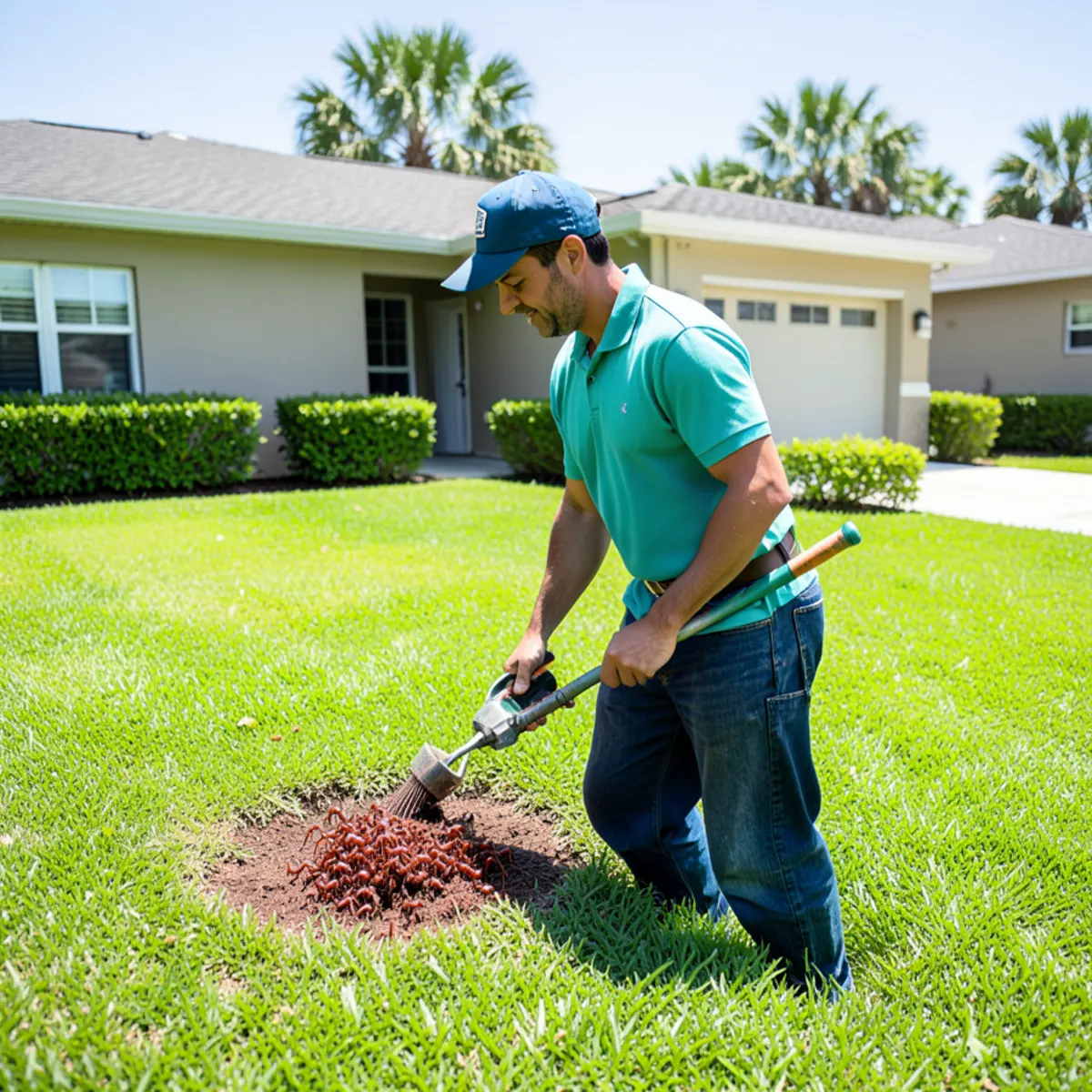
If you have tiny, pale ants trailing across the kitchen counter or around the bathroom sink, and they seem to multiply every time you spray them, you likely have ghost ants — and the spraying is the problem. Ghost ants respond to contact sprays by budding: the colony splits into new nests to survive, so you end up with more trails in more rooms.
The fix is baiting, not spraying. Here is how to recognize ghost ants and why the treatment is the opposite of what instinct suggests.
How to identify ghost ants
Ghost ants are about 1.5 millimeters long with a dark head and thorax and a pale, almost translucent abdomen and legs — the reason for the name, because the back half seems to vanish against a light surface. They move in thin, fast trails and are drawn to moisture and sweets, so kitchens, bathrooms and around sinks are their favorite ground.
They nest in many small satellite colonies rather than one central nest — in wall voids, potted plants, under baseboards and outdoors in the landscaping — which is exactly why spot-treating a single trail never ends the problem.
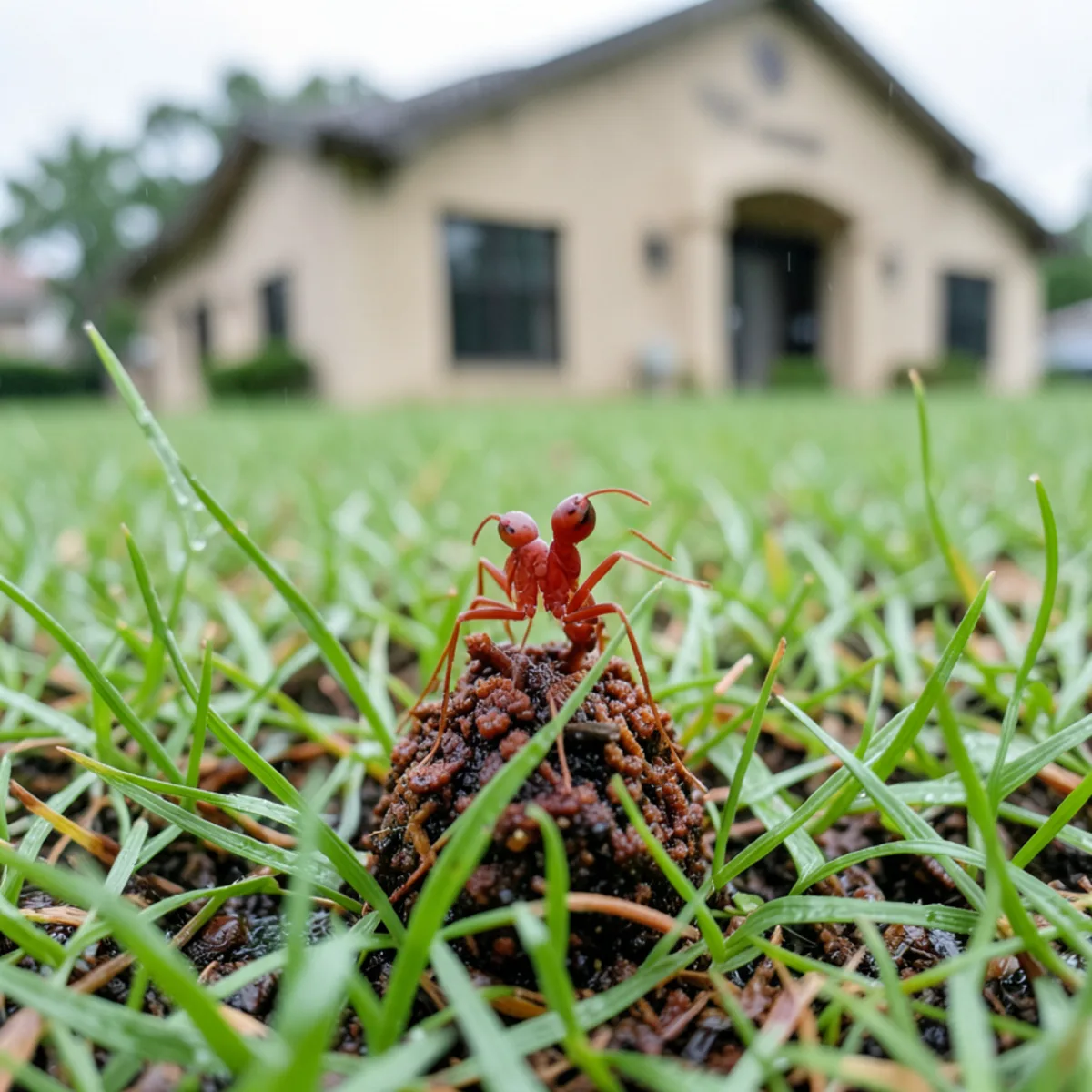
Why baiting works when spraying fails
A contact spray kills the ants it touches and alarms the rest, triggering the colony to bud and scatter. Baiting does the opposite: worker ants carry the bait back and feed it to the satellite colonies and queens, so the nests collapse from the inside instead of splitting. It takes a little patience — trails thin within a week and clear over two to three weeks — but it actually solves the problem.
The home owner’s part is simple: stop spraying the trails, wipe up spills and standing water that draw them, and let the bait do its work. Where the colonies are extensive, follow-up baiting finishes the job.
Where the colonies hide outdoors and in
Because a ghost ant colony spreads itself across dozens of tiny satellite nests, the ones feeding your kitchen often sit only a few feet away. Outdoors they settle into mulch, leaf litter, loose tree bark, and the damp soil of landscape beds hugging the slab. Warm, irrigated yards across the Tampa Bay region keep those nests active through most of the calendar, and a single line of foragers will lead back to whichever bed sits closest to a hairline gap in the exterior wall.
Indoors, the same pull toward warmth and humidity steers them behind dishwashers, under sink cabinets, inside wall voids near plumbing, and above drop ceilings. They rarely commit to one headquarters, which frustrates anyone hoping to find and crush a single nest. Treating the line you can see while ignoring the hidden satellites simply trims the visible symptom and leaves the rest of the network feeding undisturbed somewhere behind the drywall.
Signs you are dealing with ghost ants
A few quick checks separate ghost ants from the other small pale ants that wander Florida homes, so you can match the response to the species before anything gets treated.
- Trails so faint the ants seem to appear and vanish on a light counter
- Heaviest activity around sinks, dishwashers and bathroom fixtures where moisture collects
- A sudden rush to sweet spills, juice rings or an open sugar bag
- Several thin trails in different rooms rather than one obvious line
- More trails, not fewer, in the days after a contact spray
Prepare the kitchen so the bait wins
Baiting succeeds only when it is the most tempting food in the room, so the days around a treatment are the time to clear the competition. Wipe down counters, run the dishwasher, sweep the crumbs from under the cabinet toe-kicks, and store sugar, honey and syrup in sealed jars. Dripping faucets and condensation trays give the colony the moisture it craves, so drying those out nudges the foragers toward the placements instead. A spotless surface with no rival sweets turns the bait into the obvious meal.
Resist the urge to wipe a cleaner across an active trail the moment you spot it. Those scent paths are how workers ferry bait back to the queens and brood, and scrubbing them away or hitting them with a spray resets the whole effort. Leave the placements alone, keep foot traffic light nearby, and let the ants shuttle the material deep into the hidden nests on their own schedule.
Why moisture matters more than mess
Plenty of spotless homes still battle these ants, because the real draw is water rather than dirt. Florida humidity, leaky supply lines, sweating pipes and poorly drained planters all read as prime real estate to a moisture-seeking colony. A kitchen that stays damp under the sink or a bathroom that never fully dries will keep attracting foragers no matter how carefully the floors are swept. Chasing the mess alone misses the point when the water is what keeps them interested.
The practical takeaway is to treat water like a food source. Fixing a slow drip, insulating a sweating pipe, improving airflow under a cabinet and emptying standing saucers all shrink the comfort these ants seek. Pair that with baiting and the colony loses both its meal and its reason to keep marching indoors, which is a far steadier result than wiping trails day after day.
Keeping the yard from feeding the house
Since so many nests live just outside the wall, trimming the landscape away from the structure removes the bridge indoors. Pull mulch back a few inches from the slab, cut shrubs and branches so they no longer touch the siding or roofline, and move stacked firewood or potted plants off the patio against the house. Repairing the pinhole gaps where pipes and wires enter closes the doors foragers rely on, so the outdoor colonies stay outdoors where they belong.
Gutters that overflow and sprinkler heads that soak the foundation keep the soil beside the house permanently damp, which is exactly the setting these nests favor. Redirecting that water and letting the perimeter dry between rains makes the strip around your slab far less inviting, so fewer foragers ever find their way to the kitchen door.
The seasonal rhythm in Tampa Bay
Ghost ants stay active across the year in our mild climate, but their indoor pressure tends to swing with the weather. A stretch of heavy summer rain can flood outdoor nests and push foragers inside toward drier footing, while a long dry spell sends them hunting indoors for water. Either way, the kitchen and bath become the destination because that is where the moisture is. Knowing the pattern helps you anticipate the surge and seal competing food before the trails reappear.
That year-round activity is also why a one-time knockdown rarely holds. Fresh foragers from untreated satellite nests fill the gap within weeks, so steady, repellent-free management across the seasons outperforms a single aggressive push that only scatters them wider across the home.
When to bring in a professional
A light trail or two sometimes clears with patient home baiting, but widespread trails crossing several rooms usually mean the satellite network has grown beyond a quick fix. That is the point to have the whole structure read — interior voids, the exterior perimeter and the landscape together — so the treatment matches the true size of the colony. A measured plan that avoids repellent sprays and places the right bait is what keeps ghost ants from budding into an even bigger spread.
Related on this site
Sources
- UF/IFAS Extension — ghost ant biology and control