
Commercial Pest Control
Restaurant Pest Control Checklist for Florida Kitchens
By Jobe Pest Services LLC · Published October 21, 2026 · Updated November 3, 2026
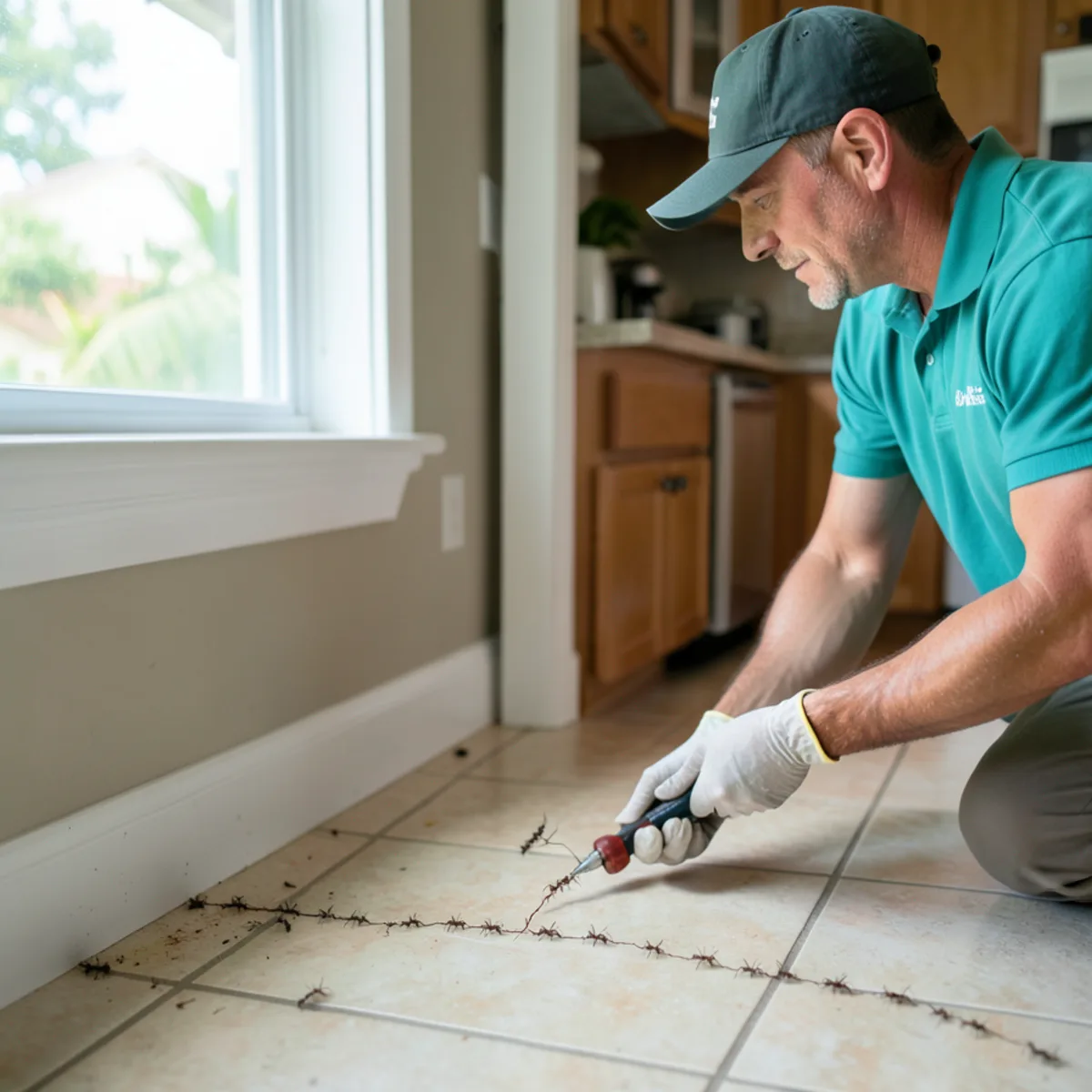
In a Florida kitchen, pest pressure is constant — heat, moisture, food and 24-hour activity are exactly what roaches, flies and rodents want. A health inspection can turn on a single sighting, so prevention has to be a routine, not a reaction.
Here’s a daily, weekly and monthly checklist for keeping a restaurant kitchen clean of pests.
Daily and weekly
Daily: clean floor drains and the grease under equipment (the number-one source of drain and phorid flies), take out trash and rinse bins, wipe down prep areas and seal dry goods, and sweep under and behind equipment. Break down and remove cardboard promptly — it harbors roaches and arrives carrying them.
Weekly: deep-clean behind and beneath cooking lines and reach-ins, check the dumpster area and keep lids closed and the pad clean, inspect deliveries for signs of pests before they come inside, and look over door sweeps and screens for gaps.
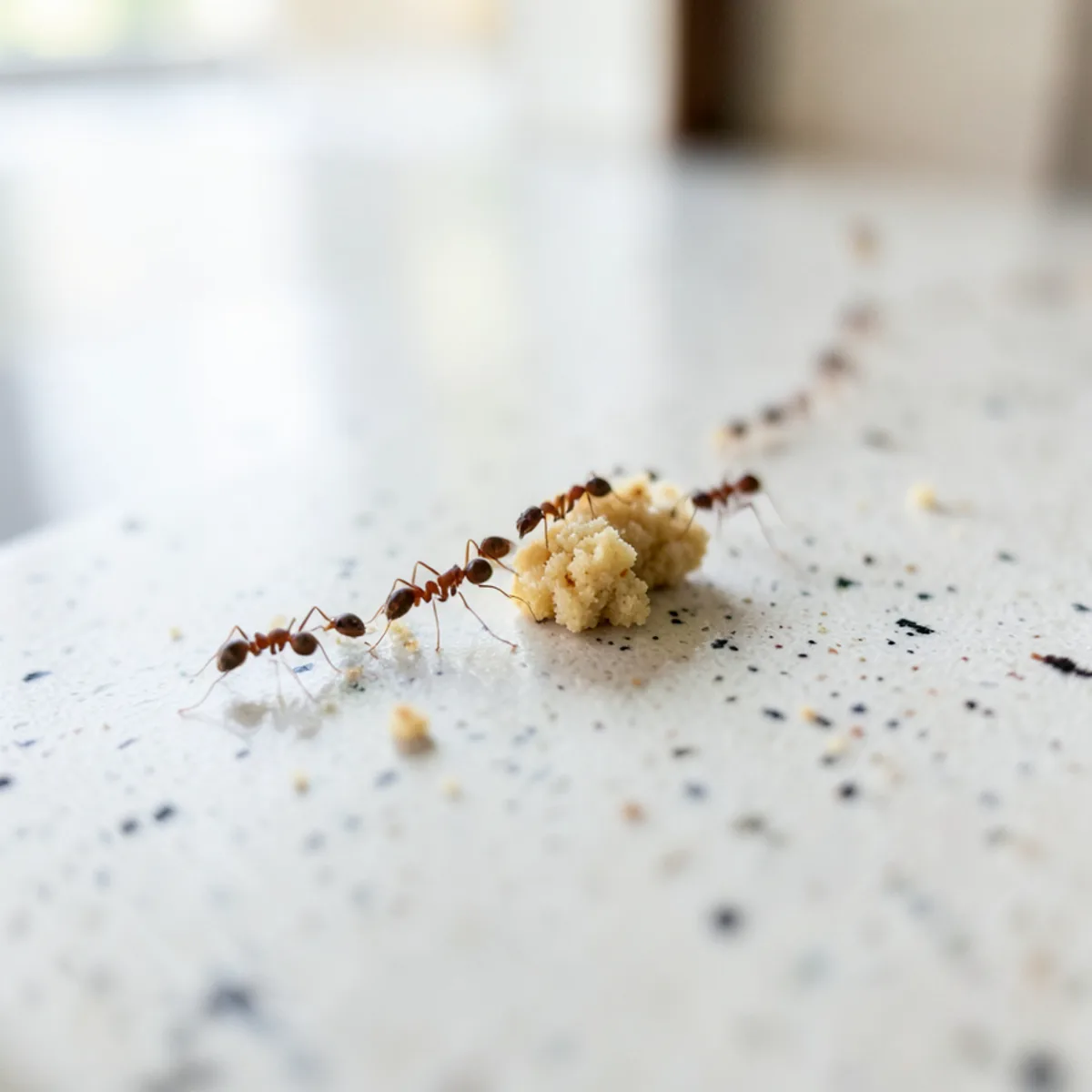
Monthly and the records inspectors want
Monthly: review the perimeter and back-of-house for rodent signs, check that exterior doors seal, and have your pest professional service drains, monitor devices and harborage points on a set schedule. Trend any recurring activity to its source rather than just treating the symptom.
Keep a pest control logbook: service reports, a map of device locations, product labels, applicator licensing and a trend report. That documentation is what an inspector or third-party auditor wants to see, and we supply it each visit.
Seal the building envelope
Most kitchen pests walk or fly in through a gap someone stopped noticing. Exclusion — physically closing those routes — does more over a year than any amount of spraying, so build a standing checklist of the openings that matter.
- Door sweeps on every exterior and screen door, replaced the moment daylight shows underneath
- Self-closing back doors kept shut, with an air curtain where a door stays propped for deliveries
- Tight screens on operable windows and any passive vents
- Caulk and sealant around utility penetrations, conduit, and pipe chases
- Weep holes and wall voids screened so roaches can’t nest inside them
- Floor and wall junctions kept intact, with no crumbling grout or gaps behind coving
Know the kitchen’s usual suspects
Florida kitchens tend to see the same cast. German cockroaches ride in on cardboard and egg crates and breed fastest in warm equipment motors and hollow table legs. Small flies split into two camps — fruit flies at sugary spills and soda guns, drain and phorid flies in the biofilm down drains — and telling them apart points you to the source. Rodents work the perimeter and the drop ceiling, while stored-product beetles and moths turn up in flour, grain, and spices left too long. Matching the fix to the species beats blanket treatment every time.
Seasonal shifts matter too — Florida’s warm, wet summers push roach and fly activity up, while the first cool fronts drive rodents indoors looking for the heat of the kitchen, so your checklist should expect different pressure at different times of year.
Train every shift to notice
A checklist lives or dies on whether the closing crew actually runs it, so pest awareness belongs in onboarding and in the daily close. Teach staff to flag droppings, shed roach skins, gnaw marks, and the sour smell of a breeding drain, and give them a simple way to log it that reaches the manager the same night. When servers, line cooks, and dish crew all know what a problem looks like, you catch activity while it’s one roach and not a harborage behind the dish machine.
Keep the message blame-free, since a cook who fears a write-up for reporting a mouse simply stops reporting; the goal is early information, not a culprit.
Receiving is where it starts
More infestations arrive on a pallet than crawl in off the lot, so the receiving door is a control point, not just a doorway. Inspect incoming produce, flour, and dry goods for live insects, webbing, and chew holes, and turn back anything questionable rather than carrying the problem into storage. Break down cardboard and get it out fast, since corrugated boxes hide roach eggs in their flutes. Store everything up off the floor and away from walls so you can clean and inspect behind it, and rotate stock so nothing sits long enough to breed.
Own the outside too
What happens on the pad behind the kitchen decides the pressure at the back door. Keep dumpster lids closed, the corral washed down, and the drain under it clear, because grease and food slurry feed flies and draw rodents from the tree line. Pull mulch, pallets, and stacked equipment away from the wall so rodents lose their cover, and aim exterior lighting away from entrances — bright white fixtures over a door pull in night-flying insects, while placing the light on a pole farther out keeps them off the building.
When the inspector arrives
A single live roach in the dining room can turn an inspection, so the goal is a kitchen that holds up on an unannounced visit, not one tidied for a known date. Keep your service reports, device map, and monitoring logs together and current, and close out any noted activity with a dated correction rather than letting it ride. If something surfaces mid-service, deal with it visibly and record what you did. Inspectors read a clean, consistent paper trail as a sign the whole operation runs on routine.
Build the checks into the daily close
A checklist protects a kitchen only when it runs every shift, not when someone remembers it. Fold the quick pest checks into the closing routine already in place — treating the floor drains, breaking down and removing cardboard, pulling the mats, and taking the trash to a washed-down corral — so the work happens on autopilot rather than in a scramble before an inspection. The crew that already mops and locks up is the one best placed to catch a problem on its first night.
Putting a name against each nightly task, with a manager to spot-check it, keeps the routine from quietly lapsing on a busy weekend. The steadiest operations pair that in-house discipline with scheduled professional visits, so the daily habits hold the line between services while the technician catches what a tired closing crew would miss.
Related on this site