
Rodent Control
Rodent Exclusion Cost: What You Are Paying For
By Jobe Pest Services LLC · Published October 10, 2026 · Updated November 3, 2026
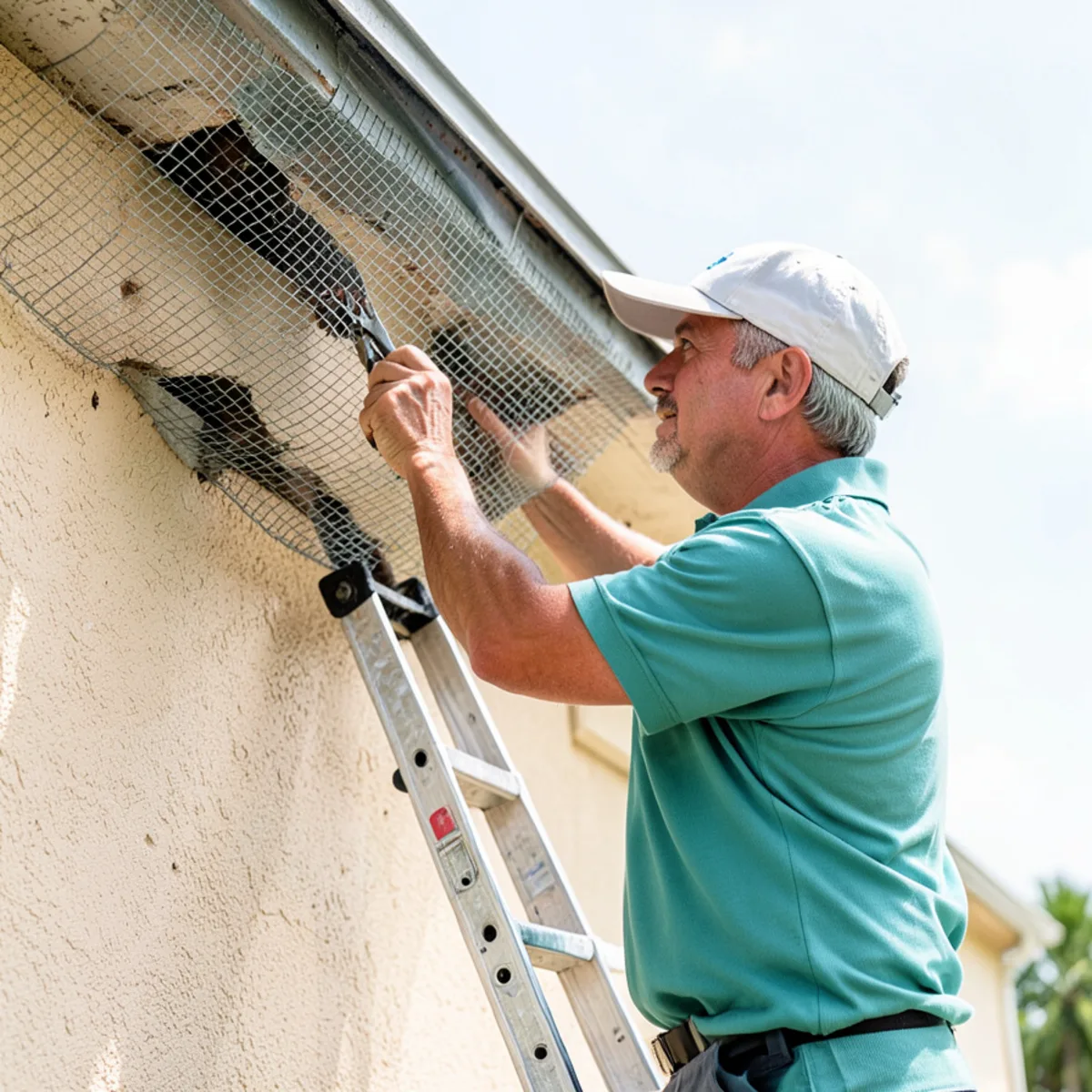
Rodent exclusion — sealing the gaps rats and mice use to get in — costs more than setting a few traps, and the reason is in what it actually buys: a permanent fix instead of a repeating bill. The price tracks the size of the home, how many entry points there are, and how hard they are to reach, especially along the roofline.
Here is what goes into an exclusion quote and why it usually pays for itself against endless trapping.
What an exclusion quote includes
An exclusion job starts with a full inspection to map every entry point — roofline gaps at the eaves and soffits, unscreened vents, gaps where utility lines enter, garage-door corners, weep holes and foundation cracks. The quote then covers sealing each of those with materials rodents cannot gnaw through: sealants, metal flashing, hardware cloth and specialized fill at the right points.
Roofline access is the biggest cost driver. Roof rats enter high, so a two-story home or a steep roof takes more time and equipment to seal safely than a single-story slab. The number and difficulty of entry points, not the square footage alone, sets the price.
Exclusion vs repeat trapping
Trapping removes the rodents inside, but if the entry points stay open, the next ones move in and you are back to trapping — and paying — again. Exclusion closes the door. Done after the inside population is removed, it turns a recurring rodent problem into a one-time fix, which is why it usually costs less over a year or two than ongoing trapping.
A quote should spell out whether it includes sealing or only trapping. Ask, because a "rodent control" price that covers traps alone leaves the real problem — the open gaps — untouched.
The remove-then-seal sequence
Exclusion is not a single act but an order of operations, and skipping a step undoes the rest. The work runs in order: inspect and map every gap, reduce the population already inside with traps, seal the openings once the interior is clearing, then confirm over follow-up visits that nothing new is getting through.
Order matters because sealing a home with rodents still inside traps them in the walls, where they die, chew to escape and foul the space. Removing first and closing second is what turns the job into a lasting fix rather than a fresh problem behind the drywall.
The materials that do the sealing
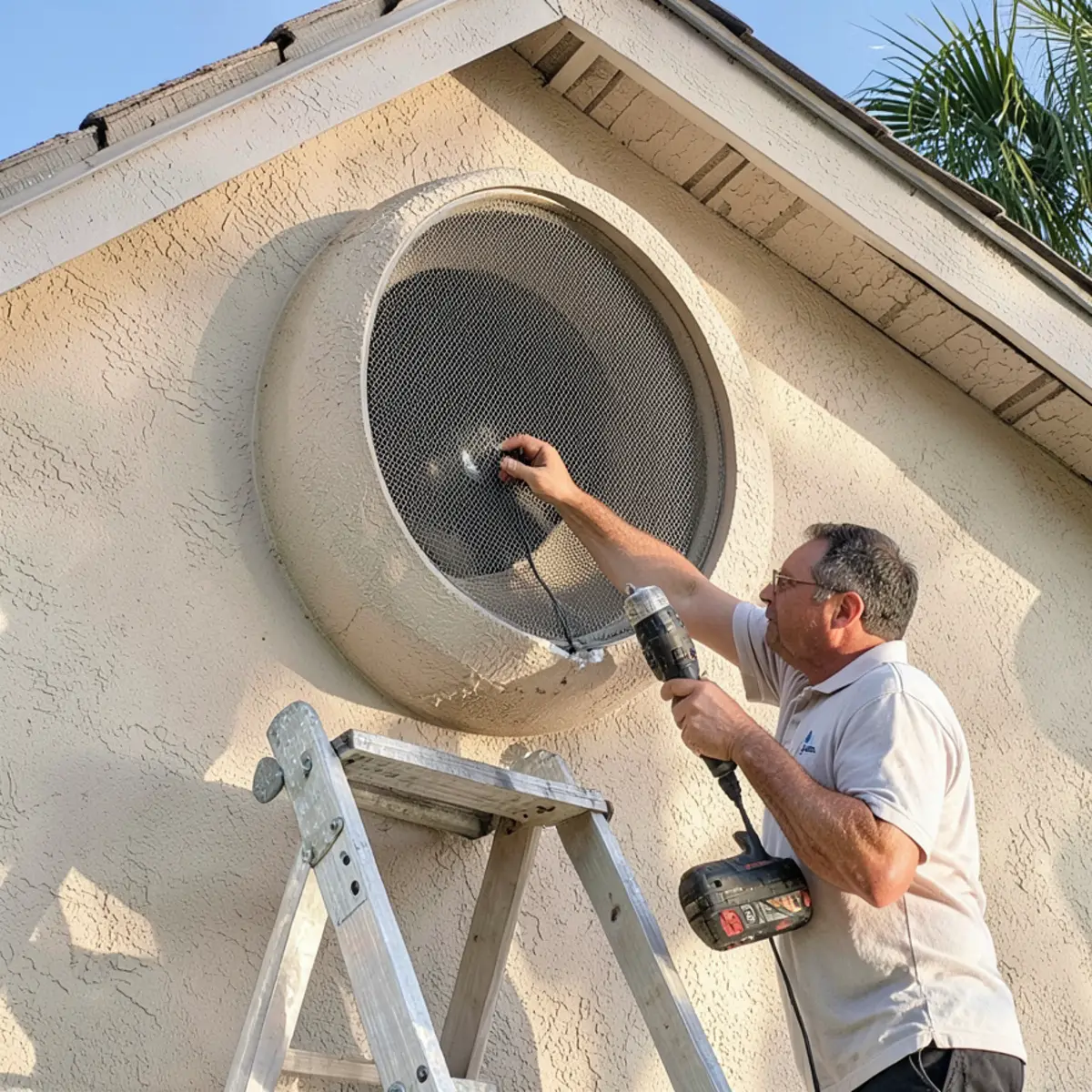
Rodents gnaw through foam, caulk and window screen alone, so an exclusion that lasts leans on materials their teeth cannot beat. Galvanized hardware cloth over vents, metal flashing along the roofline, copper mesh packed into utility gaps and mortar at the foundation each go where a particular rodent and opening call for them.
Part of what you pay for is the right material in the right place — a soffit gap is handled differently from a weep hole or a pipe penetration. Cheap fill looks identical on day one, but roof rats find the weak patch within weeks, which is why the materials line is not where a quote should be thin.
What nudges the quote up or down
Two exclusion jobs rarely land at the same figure, because the home and the infestation set the scope. Beyond the sheer count of openings, several factors pull the price in one direction or the other, and a clear quote lets you see which of them apply to your house.
- Roof height and pitch — a tall, steep roofline is slower and takes more gear to seal safely
- Extent of gnaw damage that has to be repaired before an opening can be closed
- Attic condition — contaminated insulation that needs removal adds labor
- Construction age — older homes hand rodents more cracks and worn seals to exploit
- Whether trapping and follow-up visits are bundled into the price or billed apart
- Screening of dryer, stove and attic vents that were never rodent-proofed
Why attic sanitation is part of the job
Rats and mice leave more than droppings behind. Soiled insulation, urine trails and nesting material hold odor that draws the next rodent straight to the same spot, so a thorough job often includes clearing and, where needed, replacing contaminated attic material rather than sealing over it.
That cleanup is a genuine share of some quotes, and it does more than tidy. Taking out the scent markers and nesting debris removes the welcome mat, which is why a sealed home with a cleaned attic stays quiet far longer than one where the gaps were closed but the mess was left behind.
Why DIY exclusion rarely holds
Plugging a few visible gaps with hardware-store foam feels like progress, and for a night or two it seems to work. The trouble is that rodents hunt for the opening you missed — the soffit seam you could not reach, the gap behind the gutter, the vent you never thought to screen — and a home only has to fail at one point.
Roof rats in particular enter high, along rooflines a ladder barely reaches, where a missed inch undoes the whole effort. A professional maps the structure from the ground up and treats every opening as one system, which is the gap between a quiet attic and a cat-and-mouse game that drags on for months.
What follow-up looks like after sealing
Solid exclusion does not end when the last opening is filled. Follow-up visits check the traps, confirm activity has stopped and look for any point the first pass read wrong — rodents are relentless at testing a seal, and the early weeks tell you whether every spot held.
This window is also when a reputable company stands behind its work, returning to close anything that proves to be a miss rather than writing a new ticket. Ask how follow-up and any warranty are handled, because the monitoring stretch is where a one-time fix shows it truly was one.
Weighing exclusion against repeat trapping
The sticker on an exclusion job can look steep next to a handful of traps, but the comparison that matters is the one across a year. Trapping alone clears the animals inside and leaves every opening wide for the next, so a home that only ever traps tends to pay again each season as fresh rodents follow the same routes in. Sealing the structure ends that cycle rather than renting a pause in it.
Set against repeat call-outs, cleanup after each new wave, and the slow damage a recurring colony does to wiring and insulation, closing the gaps once usually reads as the cheaper path over time. That is the real value behind an exclusion quote — not a single visit, but the visits it prevents.
Related on this site
Sources
- UF/IFAS Extension — rodent exclusion and management