
Rodent Control
Rodent-Proofing a Florida Home Before Winter
By Jobe Pest Services LLC · Published October 23, 2026 · Updated November 3, 2026
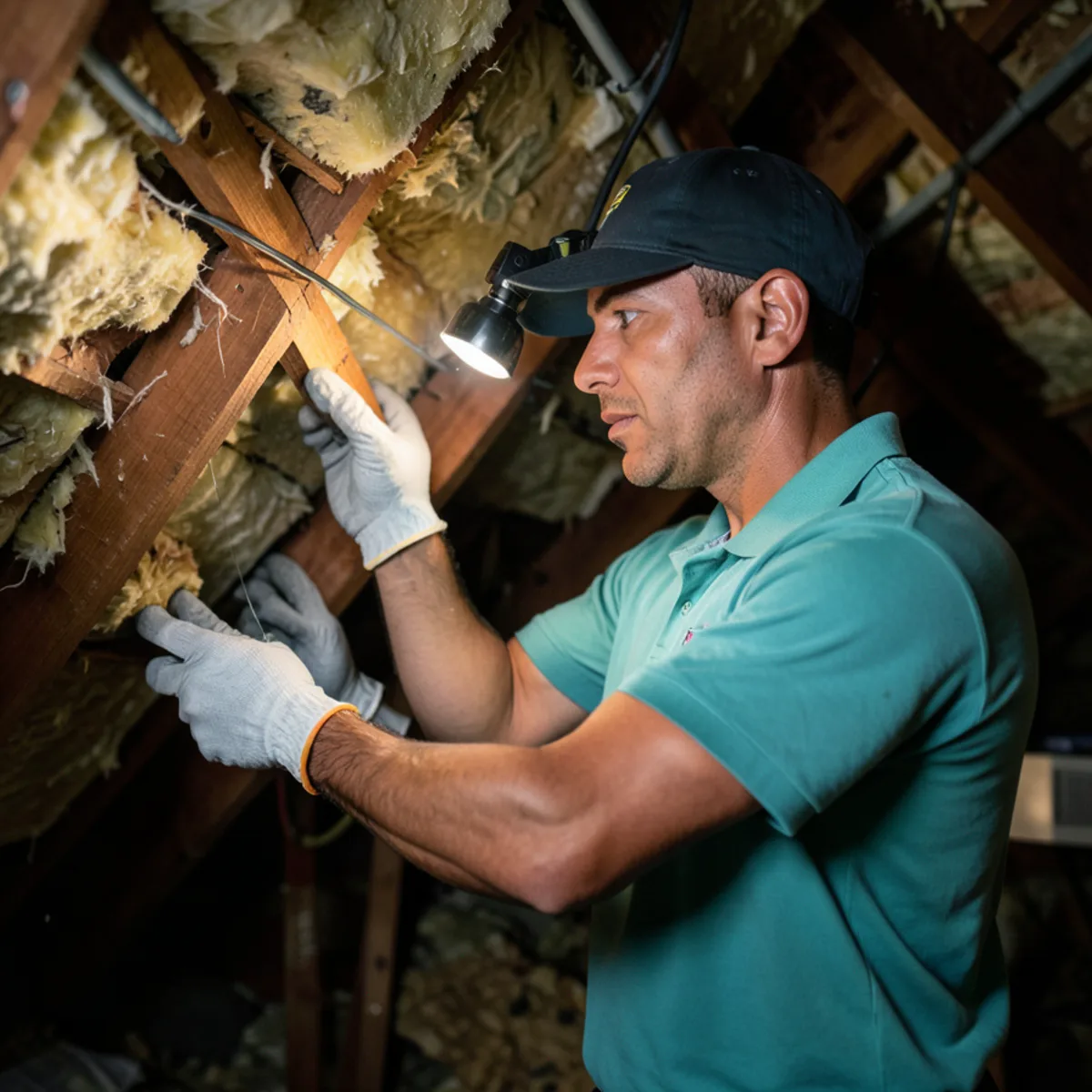
Florida’s cool fronts don’t bring snow, but they do send rats and mice looking for warm shelter — and a house is the obvious target. The time to seal the gaps is before that first cold snap, not after you hear scratching in the attic.
Here’s a room-by-room and roofline checklist for rodent-proofing a Florida home.
Start at the roofline
Roof rats enter high, so the roofline is the priority. Check and seal gaps at the eaves and soffits, screen attic, gable and dryer vents, close openings where utility lines and pipes enter, and look for roofline construction gaps of about a half inch. Trim tree branches and palm fronds back off the roof to remove the bridge rats climb.
Remember a mouse fits through a gap the size of a dime and a rat through a quarter-sized hole, so small openings count.
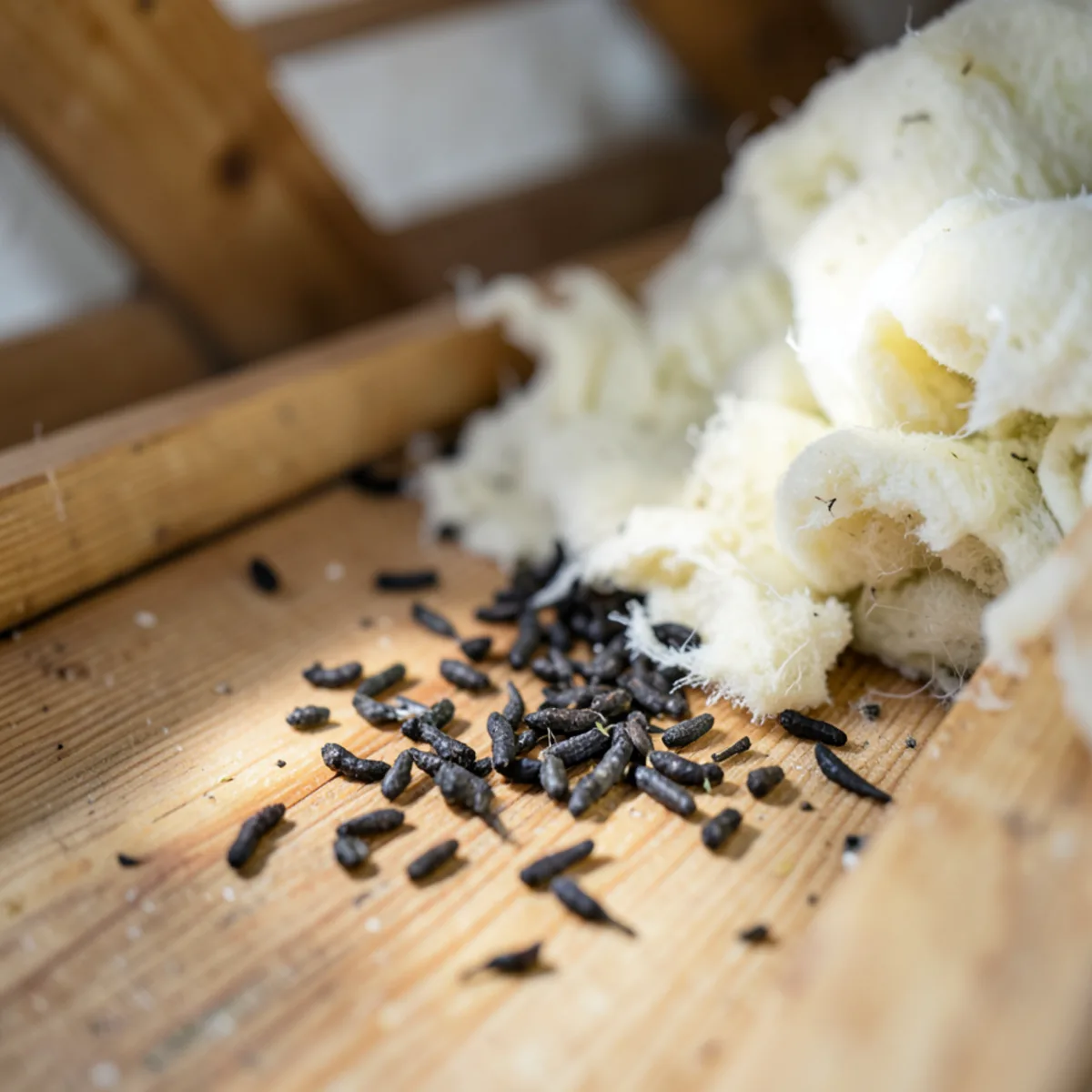
Work down to the ground
Inside and low: seal gaps around pipes under sinks and behind appliances, add or repair door sweeps on exterior and garage doors (garage-door corners are a classic mouse entry), screen weep holes and crawl-space vents, and close foundation cracks. Keep pet food and pantry goods in sealed containers and clear clutter from garages and sheds where rodents nest.
Exclusion uses materials rodents can’t chew through — metal flashing, hardware cloth and sealant at the right points, not just foam or caulk. And seal after any rodents inside are removed, so nothing gets trapped in a wall.
Clear the yard first
Good exclusion starts in the yard, because a tidy perimeter gives rodents less reason to come close in the first place. Pull dense ground cover, ivy and overgrown shrubs back off the foundation — rats shelter and travel under thick vegetation that’s pressed against the wall, screened from view. Keep the grass cut short along fence lines, sheds and the base of the house.
Move woodpiles, stacked pavers, spare lumber and landscape materials well away from the walls and up off the ground, where a colony would otherwise nest undisturbed. Rake up leaf litter and fallen palm debris, and don’t let yard clutter collect in the corners of the lot. The less cover and harborage a rodent finds outside, the less pressure ever reaches your walls.
Take away food and water
Rodents settle where food and water come easy, so remove the invitations. Pick up fallen citrus, loquat and other fruit before it collects under the tree, bring pet bowls indoors overnight instead of leaving them out, and either pause bird feeders for the season or sweep up spilled seed every day. Keep compost in a closed bin rather than an open pile.
Water counts as much as food, especially through the dry months when a reliable drink is scarce. Fix dripping outdoor spigots, direct air-conditioner condensate away from the slab, and empty saucers, buckets and anything else that holds water near the house. Take away the steady meal and drink, and far fewer rodents bother testing your walls for a way in.
Secure the garage and shed
Garages and sheds are where rodents most often get a foothold, so they deserve real attention. Keep anything chewable — grass seed, pet food, birdseed, potting mix — in metal cans or thick lidded bins instead of paper sacks and cardboard, which rodents open easily and even nest inside. Store boxes up on shelves rather than stacked on the floor.
Pull storage back from the walls so there’s no dark, undisturbed channel running the length of the room, and so you’d notice droppings early. An untouched corner piled with boxes is exactly the quiet, sheltered harborage a rat or mouse looks for, and a garage that stays loosely organized rarely offers one.
Where do-it-yourself proofing goes wrong
Most sealing jobs fail in a few predictable ways. Keep these common mistakes in mind as you work through the house:
Avoiding these is often the difference between a fix that holds and one that quietly fails by spring.
- Relying on expanding foam alone, which rodents gnaw straight through
- Packing a hole with steel wool that soon rusts and loosens
- Closing up entry points before the rodents inside have been removed
- Fixing low gaps but leaving the roofline, where climbing rats get in
- Dismissing dime- and quarter-sized holes as too small to bother with
- Treating the job as one weekend’s work instead of a seal you maintain
Check your work through the year
Sealing a house isn’t a one-and-done job. Sun, heat and summer storms break down sealant and screening, houses settle and open fresh cracks, and a reroof or a swapped-out vent can quietly undo a spot you’d closed. Rodent pressure here doesn’t pause for a season, so the seal has to be maintained.
Walk the roofline and foundation a couple of times a year — and again after any roof, soffit or HVAC work — looking for new gaps, chewed-open repairs or droppings that mark a fresh attempt. Catching a reopened gap early keeps a quick patch from becoming another attic colony later on.
Why Florida homes give rodents an edge
Several things about a typical Florida home quietly work in a rodent’s favor. Barrel and tile roofs leave open gaps along the ridges and eaves, soffit and fascia construction creates ready-made vent and gable openings, and screen enclosures and lanais add warm, sheltered edges right against the house. None of it was built with rats in mind.
Add near year-round breeding weather and a landscape of palms, oaks and open field pressing in from every side, and the pressure never really eases the way it can up north. That’s why proofing a home here works better as an ongoing habit than as a single pre-winter chore — the rodents keep probing all year, so the defense has to hold all year.
Why one house gets rats and the next doesn’t
On the same street, one home draws rodents while the one beside it stays clear, and the difference usually comes down to three things: food, harborage and openings. A house with fruit dropping in the yard, clutter in the garage and unsealed soffits offers all three; a tidy, sealed one offers none and gets passed over.
That’s the logic behind proofing — you’re not trying to wipe out the neighborhood’s rodents, which is impossible, but to make your home the least appealing, hardest-to-enter option on the block. Remove the food, strip out the harborage and close the gaps, and the colony next door has little reason to cross into your attic.
Related on this site
Sources
- UF/IFAS Extension — rodent exclusion and management