
Mosquito Control
Standing Water Checklist for Florida Yards
By Jobe Pest Services LLC · Published October 20, 2026 · Updated November 3, 2026
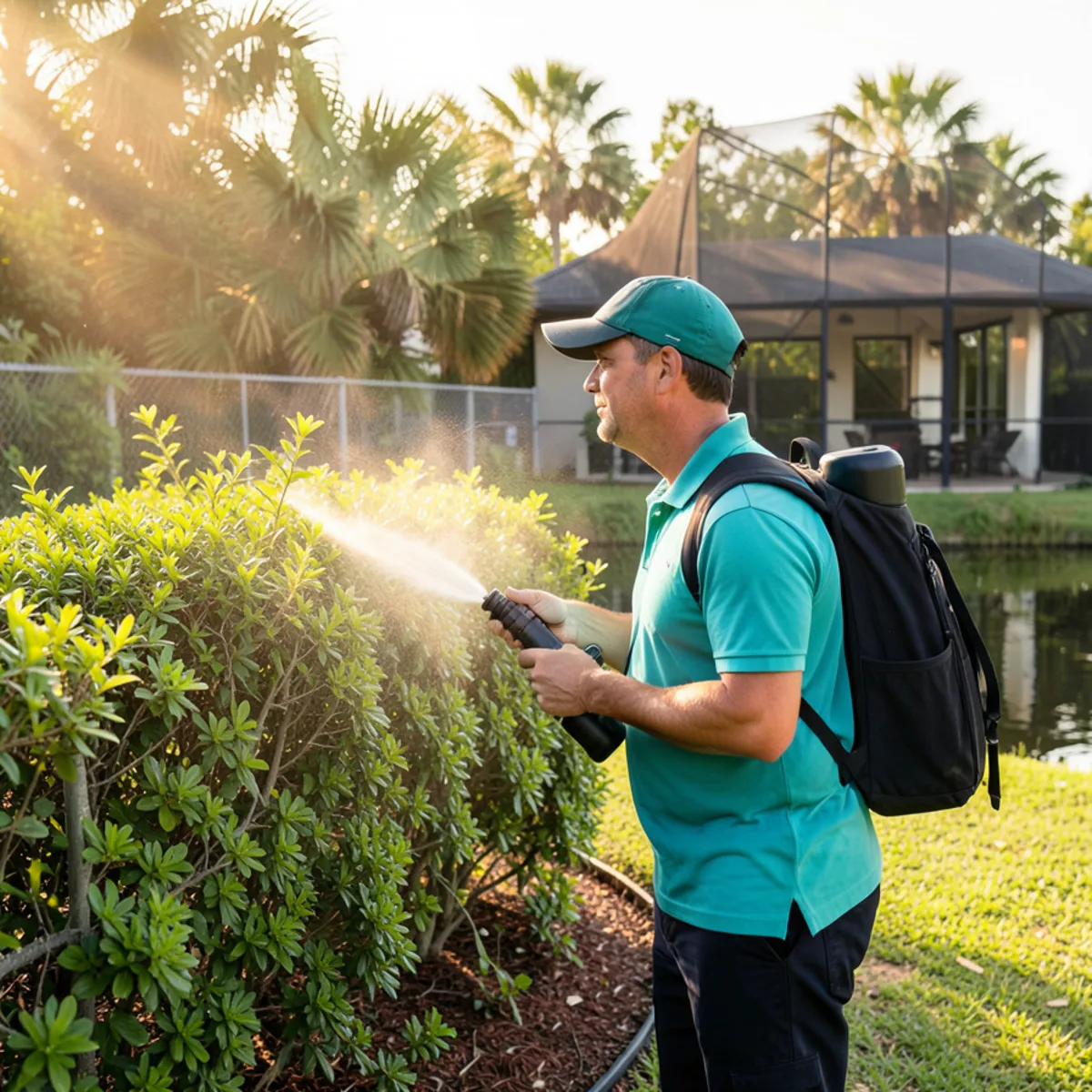
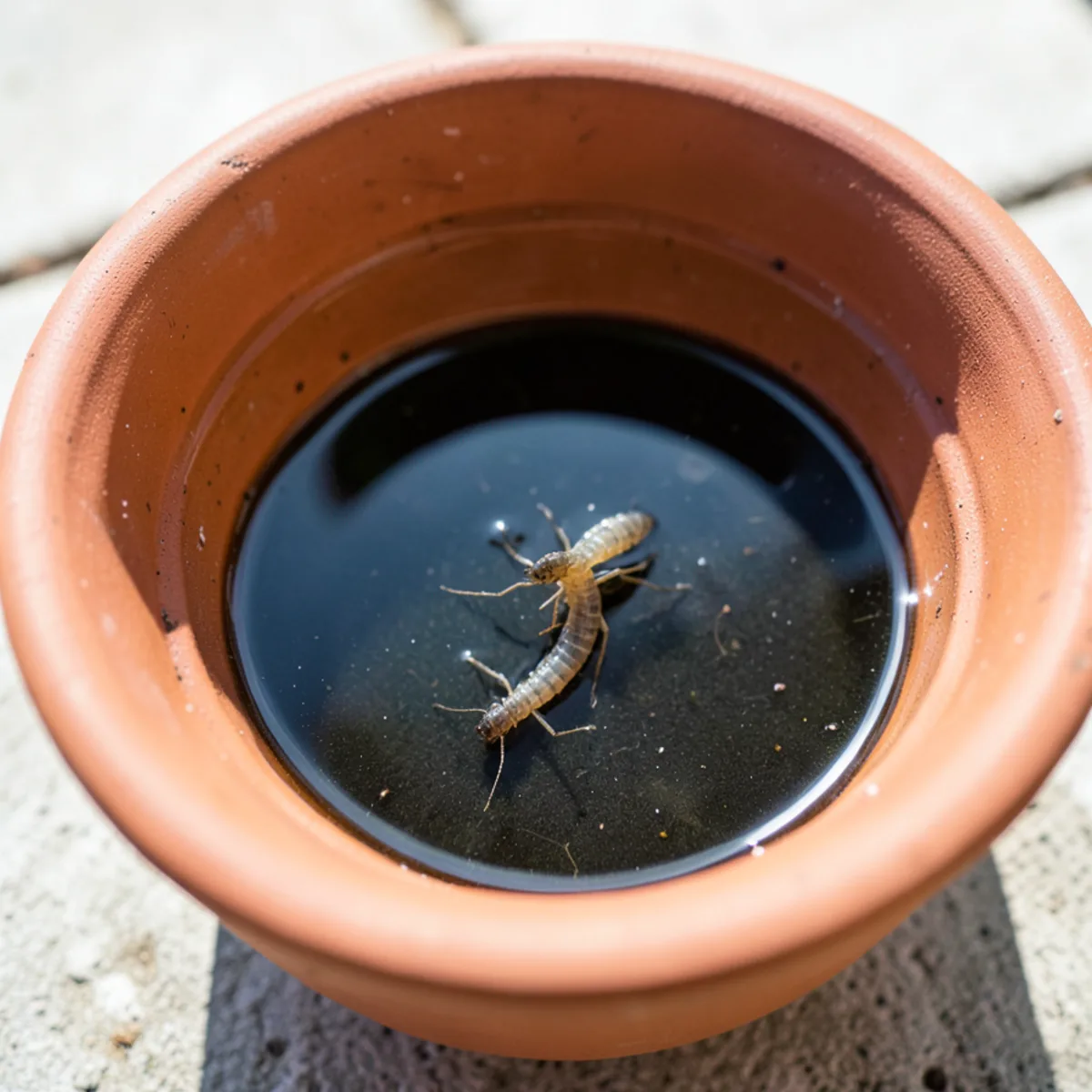
Mosquitoes can breed in as little as a bottle cap of water, and they go from egg to adult in about a week in Florida’s warmth. That’s why removing standing water around the yard is the single most effective thing you can do between treatments.
Walk your yard with this checklist after each heavy rain.
The walk-the-yard checklist
Check and empty anything that holds water: plant saucers and pots, bird baths, pet bowls, kids’ toys and wading pools, wheelbarrows, buckets and watering cans, tarps and pool covers, trash and recycling lids, and old tires. Flush bird baths and pet bowls every few days. Tip, toss or cover anything you can.
Then check the parts people forget: clogged gutters, corrugated downspout extensions, French-drain outlets, boat covers, bromeliads and other plants that hold water in their leaves, and low spots that puddle. Fix drainage where water sits for more than a few days.
What removal can and can’t do
Removing standing water cuts the mosquitoes breeding on your own property, which matters a lot — but it can’t remove the habitat next door, in retention ponds, ditches, wetlands or the Little Manatee River nearby. That’s where a barrier treatment comes in, putting a residual on the shaded foliage where adult mosquitoes rest.
The two work together: you remove the breeding water you control, and a monthly barrier knocks down the adults that drift in from everywhere else.
When the biting peaks
In Tampa Bay the mosquito season runs long, roughly from spring into fall, because warm, humid stretches let eggs hatch and adults mature within days of a rain. Activity climbs at dawn and again at dusk, when the air is still and heavy, so a yard that feels fine at midday can swarm an hour before sunset. Knowing those windows helps you time outdoor chores, water-dumping rounds, and any barrier scheduling, and it explains why a quiet morning is no proof the problem has gone.
A few of our local biters, including the daytime container species, don’t wait for evening and will feed in shaded yards straight through the afternoon. That is one more reason to treat water removal as a steady habit rather than a once-a-summer cleanup.
Water you can’t simply pour out
Some water features can’t be tipped over, so the goal shifts from removing them to making them hostile to larvae. For anything that has to hold water, keep it moving, screened, or stocked so wrigglers never reach adulthood.
- Rain barrels: screen the inlet and overflow so females can’t reach the water, or drop in a Bti dunk
- Ornamental ponds and fountains: keep a pump or aerator running, since still water is what larvae need
- Stocked ponds: add mosquitofish or other larvae-eaters where the setting allows
- Low drains and catch basins that hold water: use a Bti dunk or granule, which targets larvae
- Bromeliads and other cup-holding plants: flush the leaf wells with a hose every few days
- Septic vents, cleanouts and utility boxes: screen or cap any opening where water pools
Cut back the resting shade
Adult mosquitoes spend the daylight hours resting out of the sun, tucked into dense shrubs, tall grass, ivy, and the cool underside of broad leaves. A yard with overgrown borders and heavy ground cover gives them far more harborage than a tidy one, so cutting back and thinning foliage does double duty: it removes resting spots and lets sunlight dry the damp pockets where larvae hide. Keep grass mowed, edges trimmed, and leaf litter raked out of beds, and water in the morning so turf isn’t soggy by nightfall.
Mulch is a mixed blessing — it holds the moisture plants like, but piled thick against the house it also stays damp enough to shelter larvae and the adults resting above them, so keep it thinned and pulled back a few inches from the foundation.
Guard the house and lanai
Screens are the last line between a humid Florida evening and your living room. Walk the window and door screens looking for tears, loose frames, and spots where the mesh has pulled away, and repair them before the wet season. On a screened lanai, check the lower panels and the sweep along the slider, since that is where damaged mesh usually shows up first. A ceiling or oscillating fan on the patio helps too — mosquitoes are weak fliers, and a steady breeze keeps them off you and away from the seating area.
If you cook or entertain outdoors often, think about where you sit relative to the yard’s shadiest corners, and move the gathering toward open, breezy ground during peak hours.
Dressing for yard time
When you’ll be out at dawn or dusk, loose long sleeves and light-colored clothing cut down on bites, since mosquitoes home in on dark fabric and exposed skin. For repellents, look for an EPA-registered active ingredient such as DEET, picaridin, or oil of lemon eucalyptus, and apply it over sunscreen rather than mixed in. Treat these habits as backup to water removal, not a replacement — repellent protects the person wearing it, while emptying containers protects the whole household and the neighbors downwind.
For small children, check the label for age guidance and apply repellent to your own hands first, then onto them, keeping it off cuts and away from the eyes and mouth.
Make it a rainy-season habit
The checklist only works if it becomes routine, so tie your walk-around to something you already do — the day after a storm, or every trash night through the wet months. Mosquitoes that mature in a forgotten saucer can start biting within a week, which means a single skipped round undoes the last one. It also helps to compare notes with neighbors, because a clean yard surrounded by untended pots and clogged gutters stays under pressure.
If you manage an HOA common area or share a retention edge, raising source reduction at a board meeting can get the untended lots and clogged inlets onto someone’s list before the rains arrive.
Related on this site
Sources
- UF/IFAS Extension — mosquito control around the home